The study focuses on women warriors in history and their military roles. The article names key figures and explains context. It shows how these women fought, led, and influenced outcomes. The text uses clear examples and simple claims. Readers get facts, dates, and impacts without excess detail. This expanded discussion situates those facts within broader historical, social, and methodological frames so readers can appreciate patterns, sources, and the limits of evidence while still encountering concrete cases.
Key Takeaways
- Women warriors in history appear across diverse cultures, often rising from necessity and skill to lead and influence military outcomes.
- Training and leadership styles varied, with women mastering weapons, strategy, and diplomacy to effectively command and inspire troops.
- Women served in multiple battlefield roles—from frontline fighters to scouts and logistical support—demonstrating versatile combat contributions.
- Archaeological and historical evidence confirms active female participation in warfare, challenging traditional assumptions.
- The legacy of women warriors shapes cultural myths, inspires modern movements, and informs discussions about women’s roles in military service today.
Across Cultures: Iconic Women Warriors And Their Historical Contexts
Across cultures, women warriors in history appear in many places and times. She often rose from need, status, or skill. In ancient China, Hua Mulan served as a soldier when her father could not. She led troops and won praise. In West Africa, the Dahomey Amazons fought as a standing female corps. They trained, organized, and fought for state power.
In medieval Europe, Joan of Arc claimed visions, led French forces, and helped lift sieges. She later faced trial and execution. In South America, indigenous women fought against colonial forces. They defended land, family, and culture. In Japan, onna-bugeisha trained in martial arts and served in feudal conflicts. They used swords and strategy alongside men.
Each society gave women warriors in history a different role. Some societies accepted female fighters: others resisted them. Social need often overrode custom. Women sometimes gained status after battle. At other times, rulers erased their deeds. The presence of women fighters shows how war and gender intersect. Historians now recover these stories from archives, oral tradition, and artifacts. The evidence shows that women warriors in history shaped local politics, inspired myth, and altered military practice.
Comparative reading highlights patterns as well as unique contexts. In frontier zones or during state crises, pragmatic needs—labor shortages, demographic pressures, or ideological mobilization—often opened space for female combatants. In settled polities with rigid gender norms, exceptional individuals sometimes carved out military roles through noble status, religious claims, or charismatic leadership. Conversely, some communities institutionalized female service as part of a broader martial culture. Understanding these distinctions helps explain why accounts of women warriors in history differ so much in tone, frequency, and legacy from place to place.
Tactics, Training, And Leadership: What Made Women Warriors Effective
Women warriors in history trained in many systems. They learned weapons, formation, and logistics. Leaders organized drills and supply lines. Commanders used women to fill gaps in manpower. They used surprise, mobility, and local knowledge to win battles. Some women used diplomacy as well as force. They negotiated alliances and managed troops.
Training varied by culture. In the Dahomey kingdom, women trained daily in drills and hand-to-hand combat. In Japan, women practiced swordsmanship and archery at home and in caste schools. In China, elite families taught daughters martial skills alongside literacy. Training gave women confidence, skill, and authority.
Leadership style varied. Some women led from the front and fought in the line. Others led from councils and set strategy. Joan of Arc inspired troops with presence and claims of divine support. Mulan led through skill and tactic. These leaders made decisions under stress and adjusted plans quickly. Their leadership shows that effective command depends on judgment and morale, not gender.
Beyond individual examples, looking at tactics highlights how women warriors in history adapted to the conditions of their theaters of war. In rough terrain, small-unit tactics, ambushes, and knowledge of local routes often mattered more than massed formations; women who served as scouts or guerrilla leaders used these advantages. In siege warfare or set-piece battles, logistical competence—ensuring food, ammunition, and medical care—could decide outcomes, and women who coordinated these functions performed indispensable military work. Command styles also ranged from charismatic, ritual-centered authority to bureaucratic competence; both could sustain fighting forces when aligned with cultural expectations and troop morale.
Weapons, Armor, And Battlefield Roles
Women warriors in history used many weapons and armor types. They used swords, spears, bows, and firearms when available. Some women specialized in one weapon: others trained in multiple arms. Armor ranged from light leather to full plate depending on wealth and role.
On the battlefield, roles varied. Some women served as frontline fighters and charged with infantry. Others served as skirmishers, scouts, or archers. A few led cavalry units or naval crews. Women also served in support roles that affected combat, such as logistics, medical care, and signaling. These roles allowed armies to operate and win.
Archaeology and records show female skeletons with battle traumas and weapons. These finds confirm that women fought actively. Museums and journals publish these reports and place them in context. The material record strengthens claims about women warriors in history and corrects older assumptions.
Interpreting material culture requires care: distinguishing a woman’s grave goods from gendered mortuary practice, identifying perimortem injuries consistent with combat, and corroborating physical evidence with textual or oral sources. Scholars use osteology, isotopic analysis, and careful stratigraphic context to support claims about female combatants. When combined with chronicles, legal records, and eyewitness accounts, these methods build a more robust picture of how women participated in—and sometimes reshaped—military institutions.
Legacy And Representation: Memory, Myth, And Modern Influence
Memory transforms women warriors in history into symbols and myths. Storytellers shape tales to fit cultural needs. Mulan became a folk hero and a subject of poems and plays. Joan of Arc became a national symbol and a saint. These narratives changed over time.
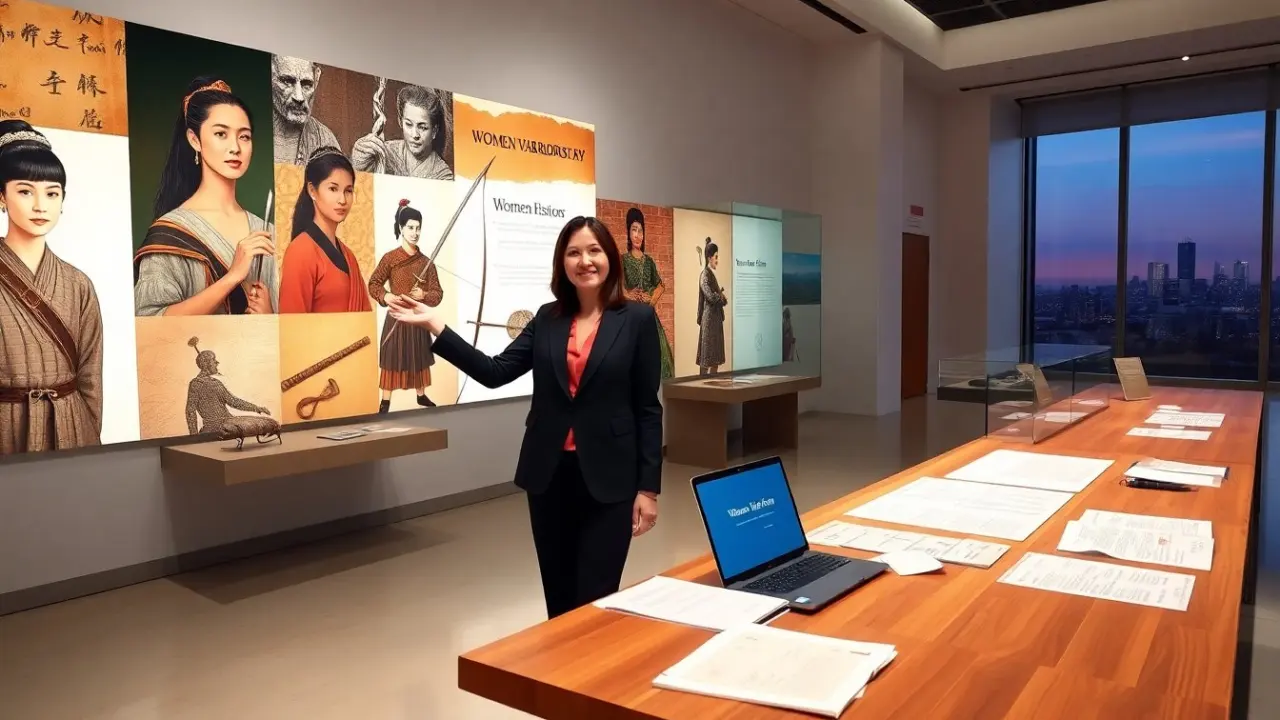
Modern movements revisit these figures for identity and inspiration. Scholars reexamine sources and correct errors. Film and literature portray women warriors in history with new detail and nuance. Museums mount exhibits that display artifacts and documents. Educators use these stories to teach military history and gender studies.
The legacy also affects modern armed forces. Some states cite historical female fighters to support women in service. Activists use these examples to argue for equal training and leadership. The public often responds with interest and debate. These reactions show that women warriors in history remain relevant. They inform policy, culture, and personal choices about service and leadership.
At the same time, representation is contested. Myth-making can flatten complex lives into simple symbols or national myths, and popular portrayals sometimes emphasize drama over nuance. Responsible engagement balances admiration with critical inquiry: examining how later generations adapted stories to fit politics, religion, or gender norms while recovering the lived realities behind those stories. Continuing scholarship, community histories, and interdisciplinary exhibitions help ensure that the memory of women warriors in history remains both inspiring and historically grounded.