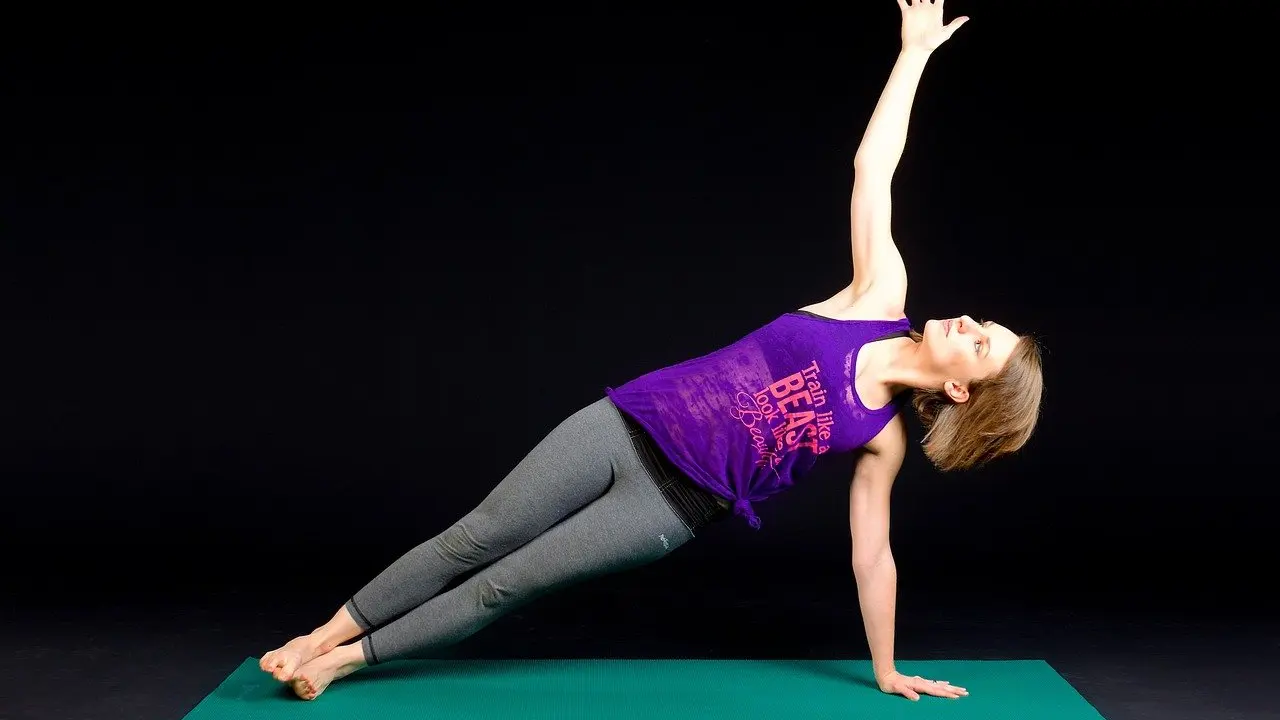
A woman with a crowded weekday and a single resistance band can still follow an at home workout plan for women: a 30-minute session of warm-up, main work and cool-down, after checking with a doctor.
Training is easier to sustain when the rest of the week is manageable, so it helps to pair this plan with these work life balance tips for women. The sections below set aside the usual myths about length, equipment and rest, and replace each with what published guidance supports.
Session length for a beginner
A beginner’s home workout works well at about 30 minutes, with a shorter version held in reserve for crowded days. Montana State University Extension publishes a resistance-band program of 40 minutes, made up of 12 exercises organised into 3 groups and performed for 2 sets each. A sample band routine from a training guide fits the same idea into 30 minutes: a 5-minute warm-up, a 20-minute main workout and a 5-minute cool-down of static stretching.
The 30-minute split is the easiest to repeat. The warm-up and cool-down take a fixed share, which leaves one block of main work, so there is nothing to decide once the timer starts. The longer 40-minute routine suits a day with a bigger gap in the schedule, not a baseline you must meet every time. Whatever the length, start light and focus on form; as one home-gym guide puts it, you can always go heavier later.
Three beliefs slow people down more than any lack of equipment, and the table sets each against the supported position.
| Common belief | What the guidance supports | Planning use |
|---|---|---|
| Short sessions do not count | The same band routine can be cut to 20 minutes by completing one set of each exercise | Use the shorter version on crowded days and return to the 30-minute split when time allows |
| Bands are a weak substitute for weights | Bands do not put the same sort of pressure on joints as external weights such as dumbbells or kettlebells | A sensible choice if joint load is a concern or you have no weights at home |
| Warming up wastes training time | About 5-10 minutes of dynamic movements increases blood flow to muscles and reduces injury risk | Keep the warm-up inside the session; do not trade it for extra main work |
The routine length and joint-load point come from Montana State University Extension, and the warm-up range comes from a resistance-band routine guide.
Bodyweight moves and resistance bands
Bodyweight exercise is the foundation of this plan, and a resistance band is the first upgrade rather than a replacement. Montana State University Extension notes that resistance bands add an extra challenge to body weight exercises, so a movement that has become comfortable can be made harder without buying a rack of weights. Keeping a few familiar movements and making them harder also matches the idea of progressive overload, which means gradually increasing weight, reps or intensity.
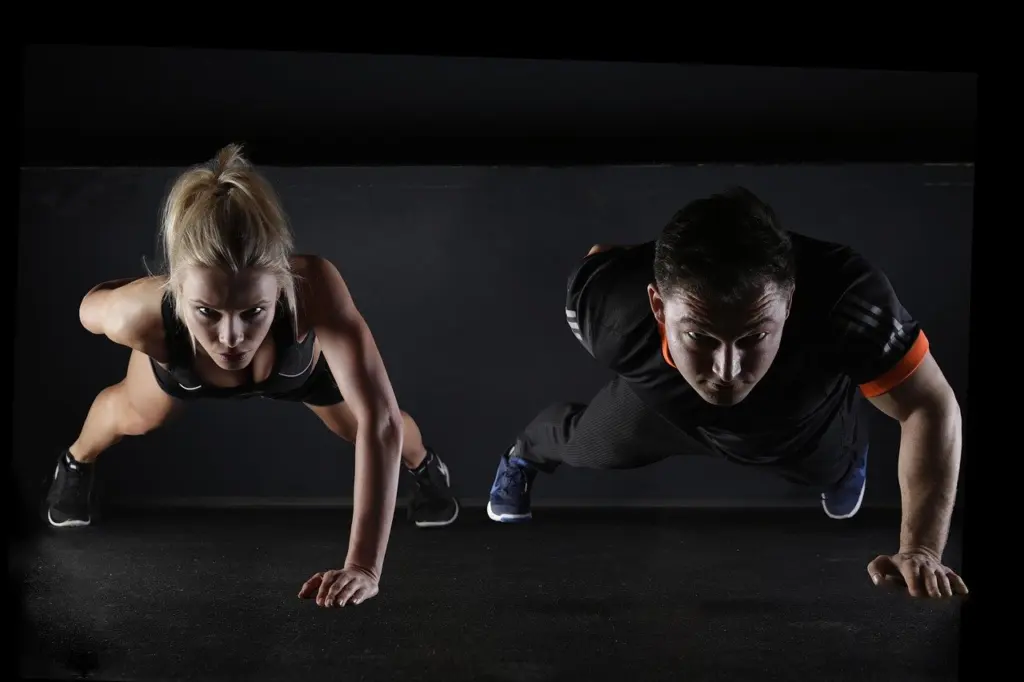
Learn each move in its plain bodyweight form first, then bring in the band once the movement pattern is steady. Floor-based moves such as push-ups and planks need nothing but a clear patch of floor, which is why they suit a small flat or a spare corner of a living room.
Weekly schedule for busy weeks
Rest days are not wasted days. A published strength plan for women over 50 sets strength workouts at around 20-30 minutes a day, 3 days per week. That rhythm is a workable template here because it leaves space between sessions, and the warm-up, main workout and cool-down split fills the time without overrunning it.
| Day | Session | Planning use |
|---|---|---|
| Monday | Strength: 5-minute warm-up, 20-minute main workout, 5-minute cool-down | Full-body block of bodyweight and band work |
| Tuesday | Rest or easy stretching | Gap between strength days |
| Wednesday | Strength: same 5-minute, 20-minute and 5-minute structure | Repeat the full-body block, aiming for steadier form than Monday |
| Thursday | Rest or easy stretching | Gap between strength days |
| Friday | Strength: same structure | Final strength day of the week |
| Saturday | Spare slot | Make up a missed session; otherwise rest |
| Sunday | Rest | Reset before the week begins |
Session frequency and length follow the women over 50 strength plan, and the session split follows the band-routine guide.
Hold the strength-day rhythm through the whole plan and progress by load, reps and intensity rather than by adding days. The spare Saturday slot is a safety valve, not a fourth scheduled session.
Progressing safely across the plan
Progress does not mean heavier every session. Progressive overload means gradually increasing the weight, reps or intensity, and the plan splits that into two blocks.
- Weeks 1-4: light and tidy. Start light and concentrate on form. For women newer to weight training who use dumbbells, one published plan suggests dumbbells of around 8-10% of body weight. Bodyweight and band work follow the same principle: finish each set with the movement still clean.
- Weeks 5-8: add load. The same plan says to try increasing weights by 10-15% as strength and confidence grow. Treat that as an upper suggestion to be earned, not a target to hit; if form slips at the heavier weight, stay where the movement is clean.
- Reps and sets. For bodyweight strength work, one weekly plan guide recommends 3 sets of 12-15 repetitions per exercise, with proper form to prevent injuries. That is a step up from the 2 sets in the Montana State band routine, so moving from 2 sets toward 3 is one way to progress when form is steady.
- Bands and percentages. The percentage figures describe dumbbells. With a band, the same logic applies through reps and intensity, since progressive overload can come from weight, reps or intensity.
Women who want a gentler first month can start with the Beginner Workout Plan For Women: A Simple 4-Week Start To Build Strength, Confidence, And Consistency – Platformwomen, then return to this schedule. Women over 50 will find load and recovery adjustments in Strength At Every Age: The Best Strength Training For Women Over 50 (Practical Routines For 2026) – Platformwomen.
Warm-up, cool-down and recovery
A warm-up is part of the workout, not a delay before it. A good warm-up lasts about 5-10 minutes, includes dynamic movements, increases blood flow to the muscles and reduces the risk of injury, according to a band-training guide. In a 30-minute slot, the 5-minute end of that range protects the main block; use the longer end only on days with spare time.
The cool-down is a separate job. The sample session ends with 5 minutes of static stretching, which gives the body a defined transition out of effort and a clear finish to the session.
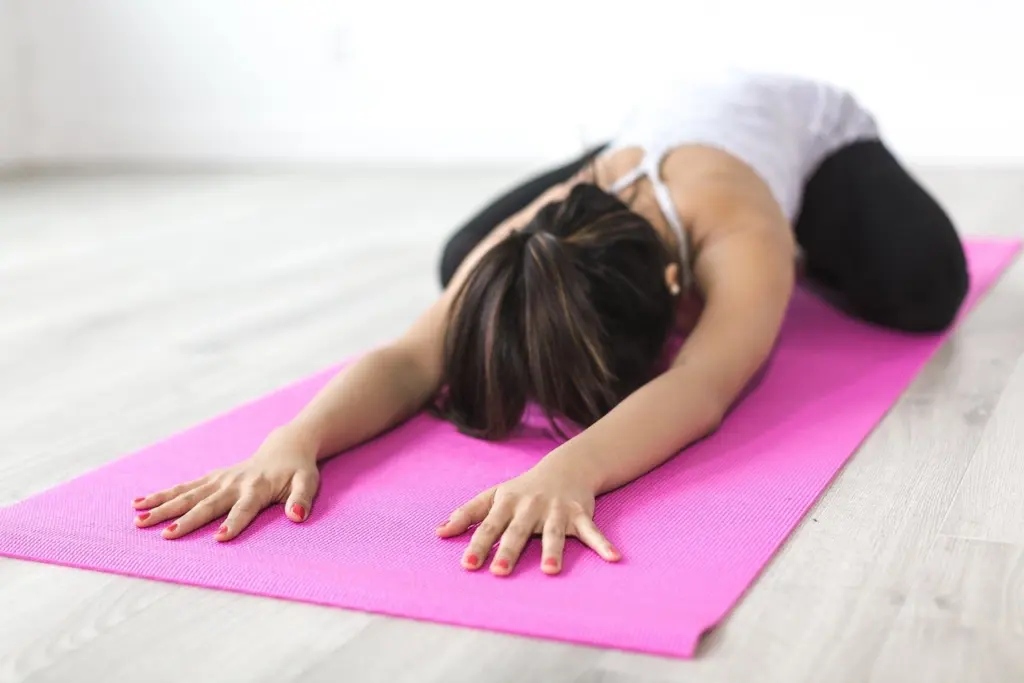
Recovery between sessions is where the gains consolidate. In the words of a home-gym guide, rest is not laziness: muscles grow during recovery, not just during workouts. That is the reason the weekly schedule keeps gaps between strength days rather than filling every evening.
Fitting workouts into a busy day
The practical barrier is rarely motivation; it is the sense that a workout needs a venue and a long block of time. Resistance bands remove the venue problem because they are light and portable and easy to use anywhere: at home, in the office or on vacation. A routine built around one band and bodyweight moves can follow a woman into a hotel room or a lunch break without any setup.
The routine itself needs to be efficient. The band guide describes a sequence efficient enough to fit into a busy schedule, and the warm-up, main block and cool-down structure achieves that by giving every minute a job. Pick the same slot each strength day so the session becomes a fixed appointment instead of a daily negotiation, and use the spare Saturday slot for anything that slipped. If a day collapses entirely, shorten the session rather than skipping it; a short session keeps the habit intact.
Frequently asked questions
| Question | Answer |
|---|---|
| Do I need much equipment to follow this plan? | No. The Montana State University Extension routine needs 1 resistance band and an optional exercise mat. |
| Which kind of band suits lower-body work? | Loop bands, the circular type, are commonly used for lower-body exercises. |
| Can injuries still happen in a home plan? | Yes. Montana State University Extension warns that injuries of all types can occur in any exercise program, which is why it advises checking with a doctor before beginning. |